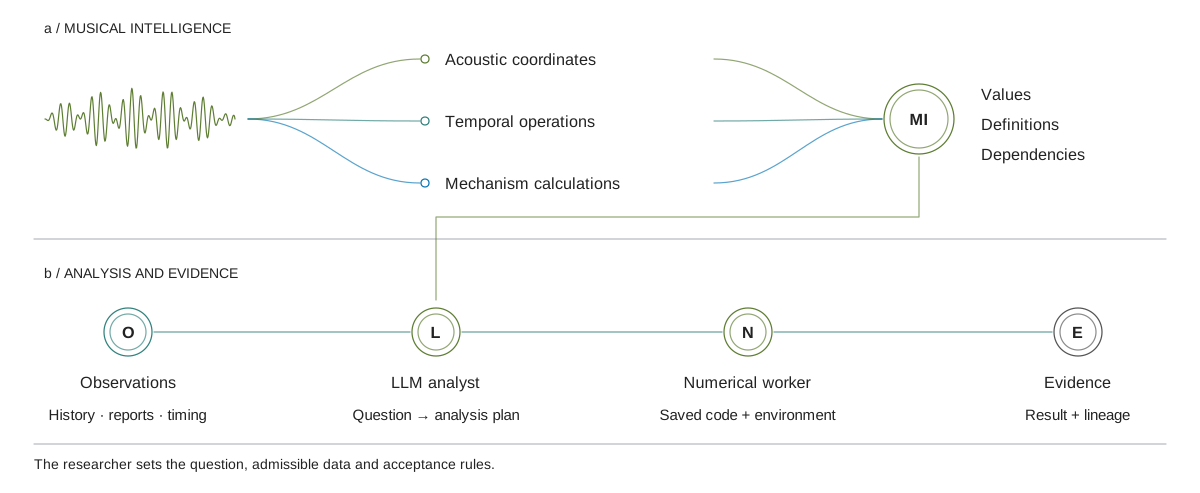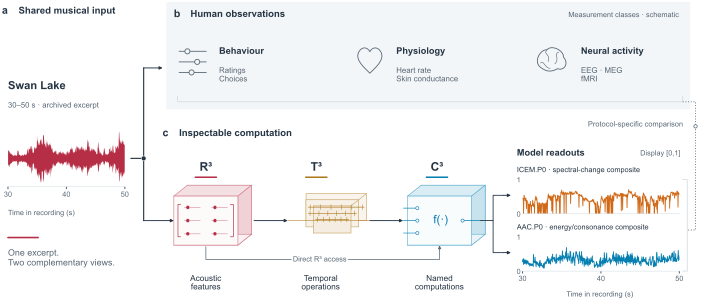
Musical IntelligenceA Glass-Box Architecture for Computational Models of Music Listening
An inspectable architecture tested through human-rating comparisons, birdsong transformations and speech expression.
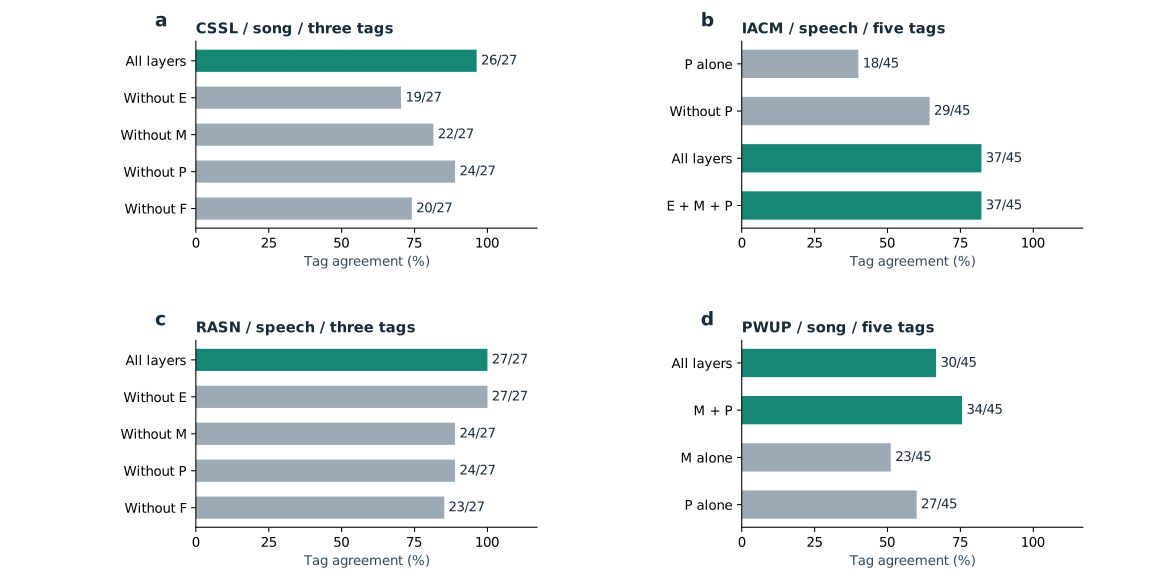
Original speech and song reveal strong expressive distinctions in specific MI mechanisms. Layer exclusions show where E, M, P and F add complementary information.
11 pages · 7 figures · Computational results; perceptual testing remains open.
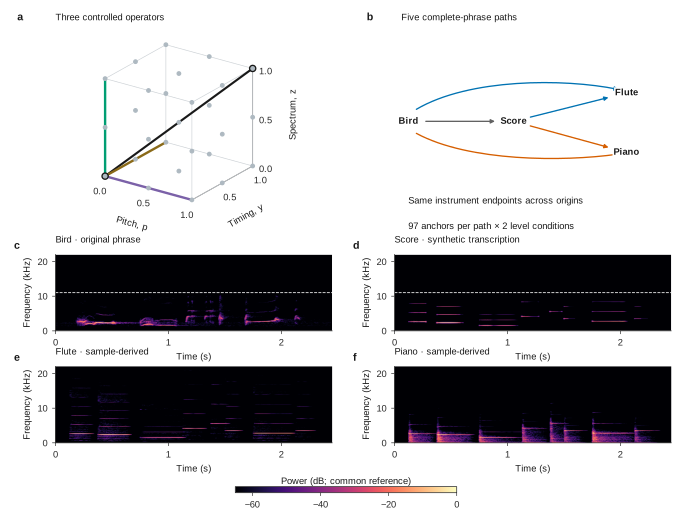
Transform birdsong into flute and piano. Hear what changes—and explore how MI responds.
12 pages · 7 figures · Computational results; perceptual testing remains open.
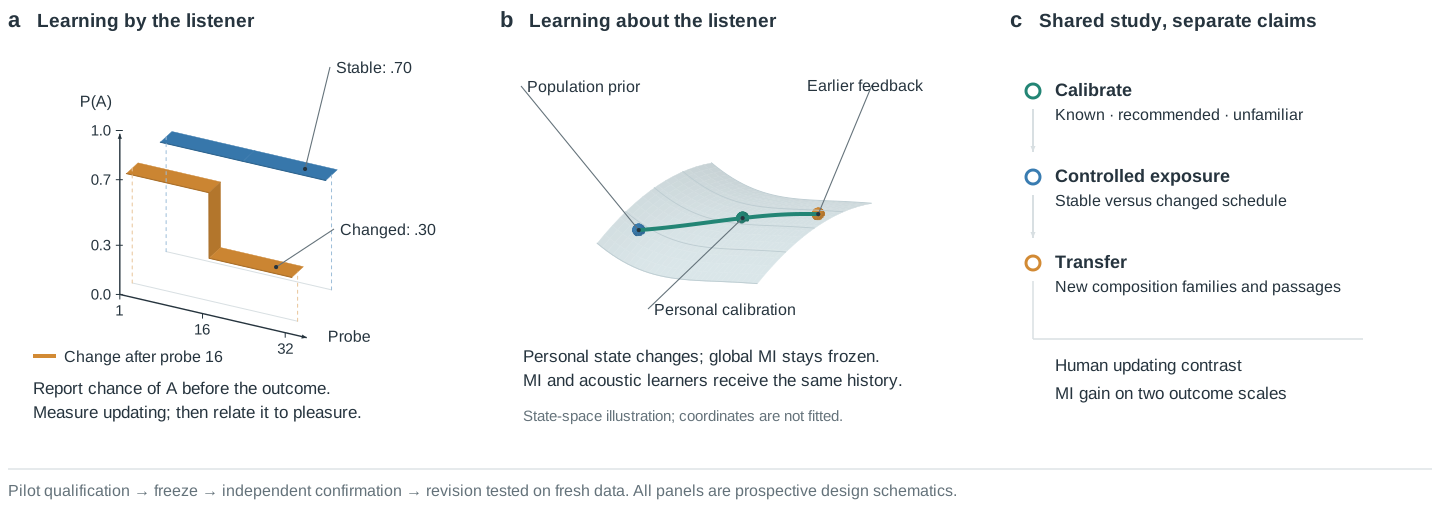
How do listeners learn musical expectations, and what does MI add to predicting their pleasure?
5 pages · 4 figures
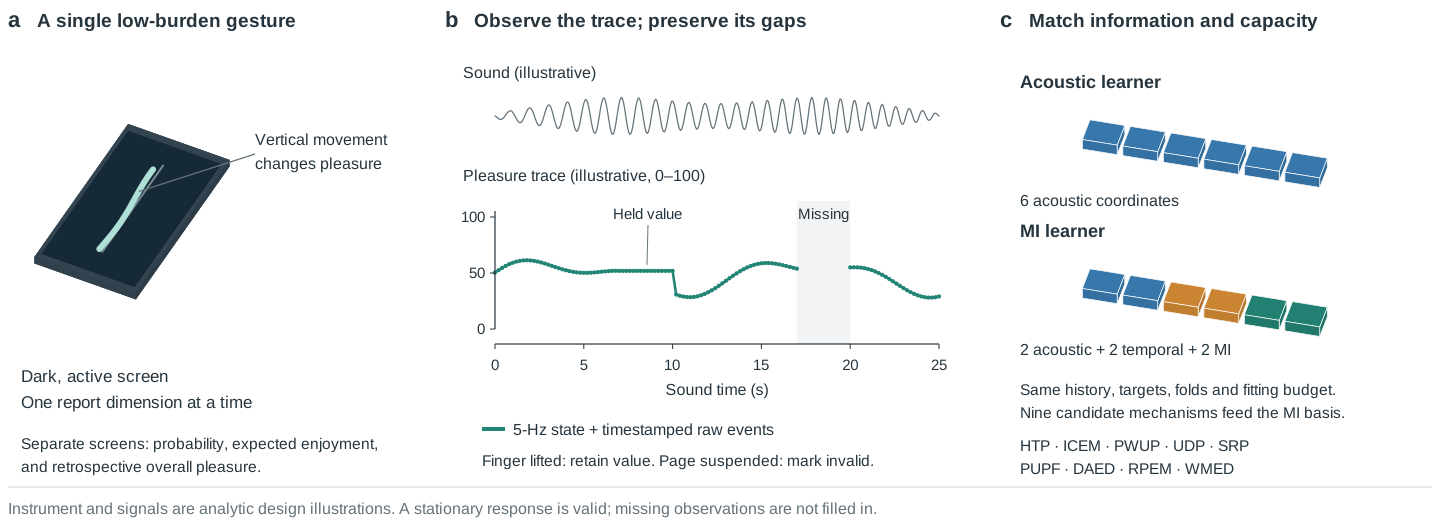
The measurement, analysis and reproducibility specification supporting the integrated study.
20 pages · 15 figures
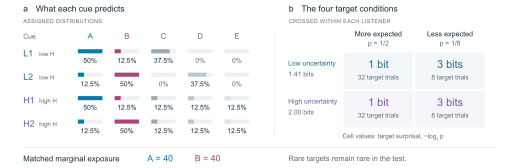
Identical test recordings separate learned expectations from acoustic changes; listening histories support an independent test of personalized prediction.
4 pages · 4 figures
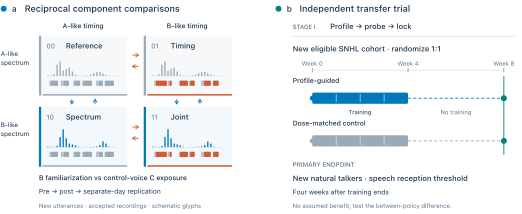
Learned spectral and timing cues are tested separately from retained transfer to new natural talkers, with an independent comparison of training policies.
4 pages · 3 figures
Does knowing how a model was built improve the conclusions drawn from its outputs?
7 pages · 5 figures
Prospective music and speech protocols, supporting methods and an independent future benchmark. No participant results are reported.
Research directions and potential collaborations.
Password required→